Understanding the Benefits of Metal Roof Upgrades
In the quest for a resilient and aesthetically pleasing roofing solution, many homeowners are increasingly opting for Metal Roof Upgrades. These upgrades not only enhance the longevity of roofs but also significantly improve energy efficiency and overall property value. As climate change intensifies weather patterns across regions, the need for a robust roofing solution becomes paramount. Metal roofing, especially standing seam systems, has emerged as a preferred choice due to its innovative design, advanced materials, and myriad benefits that suit both residential and commercial applications.
Why Homeowners Choose Metal Roofing
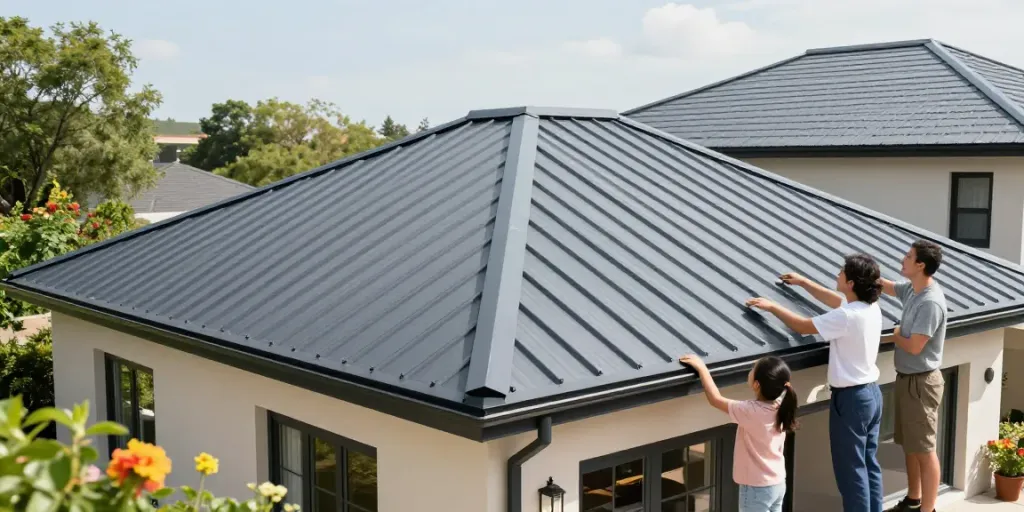
Homeowners today are increasingly aware of the advantages that metal roofing systems, particularly standing seam metal roofs, offer. A key driver for this choice is the desire for durability and performance in the face of harsh weather conditions. Unlike traditional roofing materials that might succumb to wear and tear, metal roofs are engineered to withstand severe storms, heavy snowfall, and high winds, making them a smart investment.
Moreover, the sleek and modern appearance of standing seam metal roofs appeals to a variety of architectural styles. Their minimalist design compliments contemporary homes, while also lending a timeless elegance to traditional structures. This visual appeal can significantly enhance curb appeal and property values, making metal roofing an attractive upgrade.
Longevity and Durability of Metal Roofs
One of the most compelling reasons to opt for metal roofing is its exceptional lifespan. Metal roofs, particularly standing seam systems, can last 40-70 years, compared to standard asphalt shingles which may need replacement every 12-20 years. This longevity translates to less frequent replacements, saving homeowners both time and money in the long run. Additionally, standing seam roofs, made from high-quality materials like galvanized steel, are designed to resist corrosion, rust, and UV damage, further extending their viability.
Energy Efficiency Advantages
Metal roofing systems are particularly energy-efficient due to their ability to reflect solar radiant heat. This characteristic can significantly reduce cooling costs during summer months. When effectively combined with insulation, metal roofs help maintain comfortable indoor temperatures throughout the year, ensuring energy efficiency across all seasons.
Furthermore, homeowners can maximize their energy savings by integrating features such as cool roofing technology or solar panel installations, which can further enhance the sustainability profile of their metal roofs.
Types of Metal Roof Upgrades Available
Exploring Standing Seam Options
Standing seam metal roofing is lauded for its interlocking panels that create a seamless barrier against water infiltration. Available in various materials, including steel and aluminum, these roofs offer customizable options in terms of finishes and colors. Homeowners can select from a broad spectrum of hues and textures, ensuring that their roofing aligns with personal design preferences and complements their home’s overall aesthetic.
Color and Finish Customization
One of the standout features of standing seam metal roofing is its versatility in color and finishing options. With a wide array of choices, homeowners can pick colors that either blend seamlessly with the natural surroundings or provide a striking contrast to make a bold statement. Moreover, advanced coating technologies create finishes that are resistant to fading, chalking, and scratching, ensuring that the roof retains its beauty for years to come.
Emerging Trends in Metal Roofing Designs
The metal roofing industry is witnessing exciting trends that cater to homeowner preferences for both aesthetics and functionality. For instance, the rise of environmentally-friendly options, such as recycled materials and sustainable manufacturing practices, is becoming increasingly important for conscientious consumers. Additionally, innovative patterns and textures that mimic traditional roofing styles are gaining popularity, allowing homeowners to enjoy the durability of metal without sacrificing the charm of classic designs.
Installation Process for Metal Roof Upgrades
Steps for a Successful Installation
The installation of standing seam metal roofs requires careful planning and execution to ensure optimal performance. The process typically starts with a thorough assessment of the existing roof structure, followed by the removal of old roofing materials if necessary. Professional installers then lay down a solid underlayment to protect against moisture before the metal panels are installed.
Proper alignment and fastening of the panels are crucial to the roof's integrity. Each panel must be securely attached using concealed fasteners, which not only contributes to the roof's streamlined appearance but also minimizes the risk of leaks.
Choosing the Right Contractor
Selecting a qualified contractor with experience in installing standing seam metal roofs is essential. Homeowners should prioritize companies with positive customer reviews, a strong track record of quality workmanship, and adherence to industry standards. It's also beneficial to confirm that the contractor employs manufacturer-certified installers who have the training required to execute the installation correctly.
Common Installation Challenges and Solutions
While standing seam metal roofs have many benefits, installation can present challenges. Factors such as complex roof designs, extreme weather conditions, or improper measurements can impede progress. To mitigate these issues, it's advisable to work closely with the contractor during the planning phase to address potential obstacles. Regular communication and site inspections can help ensure the project stays on track.
Maintaining Your Metal Roof for Longevity
Regular Inspections and Maintenance Tips
Maintenance of metal roofs is relatively straightforward compared to traditional roofing materials. To ensure longevity, homeowners should conduct regular inspections to check for signs of wear, such as loose panels or corrosion. Cleaning the roof to remove debris, leaves, and dirt can prevent build-up that might compromise the roof's integrity and performance.
Signs Your Metal Roof Needs Attention
Homeowners should be vigilant for specific signs that may indicate the need for repairs or maintenance. These signs may include rust spots, cracked sealants, or leaks in the interior of the home. Addressing these issues promptly can prevent more extensive damage and costly repairs down the line.
Best Practices for Upkeep
To maintain the peak performance of a metal roof, homeowners should adhere to best practices such as clearing gutters regularly, avoiding walking on the roof whenever possible, and promptly addressing any damage that may arise. Keeping up with preventative maintenance can significantly extend the life of the roof and enhance its overall functionality.
Future Trends in Metal Roofing for 2026 and Beyond
Sustainable Materials and Practices
As the demand for sustainable building solutions escalates, the metal roofing industry is evolving to incorporate eco-friendly materials and practices. Innovations in metal recycling processes and the use of natural coatings are setting new standards for environmentally-conscious roofing solutions. Homeowners can look forward to upgraded metal roofs that not only serve practical purposes but also contribute positively to the environment.
The Rise of Smart Roof Technologies
The integration of smart technologies in roofing systems is on the rise. Homeowners can expect advancements that allow for real-time monitoring of roof performance, temperature regulation, and moisture detection. These innovations can enhance energy efficiency and alert homeowners to potential issues before they become significant problems.
Predicted Changes in Design Preferences
Design preferences for metal roofing are also evolving. While classic styles remain popular, there is a growing trend towards personalized designs. Homeowners are increasingly interested in unique textures and patterns that reflect their individual styles, paving the way for greater customization options within the metal roofing sector.
How to Adapt to Changing Consumer Demands?
To meet the evolving needs and preferences of consumers, roof manufacturers and contractors must prioritize adaptability. Listening to customer feedback, investing in research and development, and providing a diverse range of products will be crucial for remaining competitive. Emphasizing quality, sustainability, and innovation will ensure that the metal roofing industry continues to thrive well into the future.