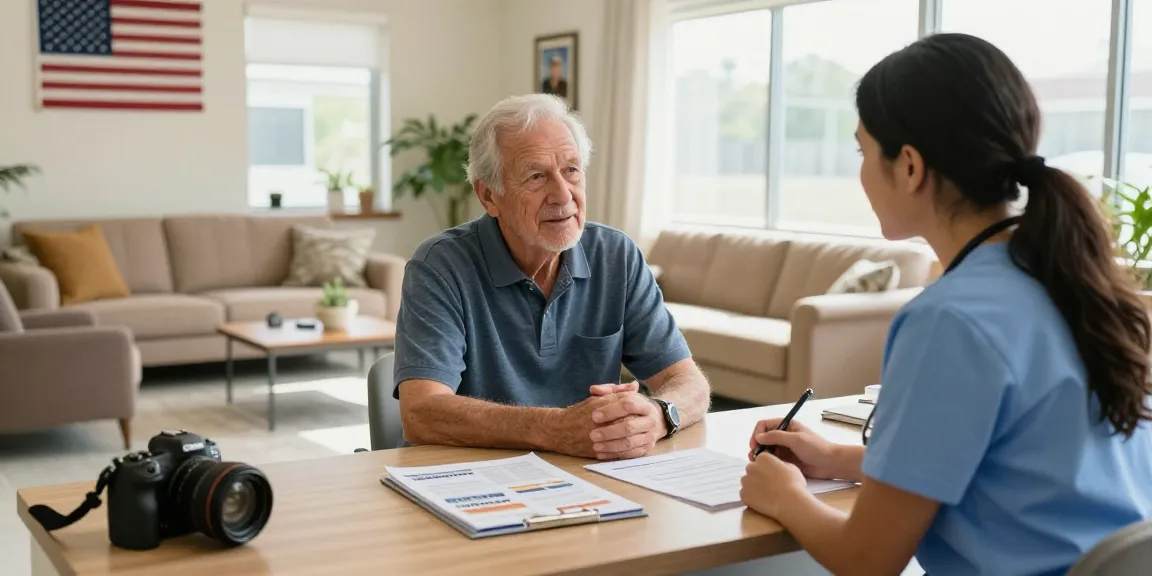
Understanding Veteran Healthcare Needs
Veterans have unique healthcare needs that stem from their experiences in the military, which often lead to a range of physical and mental health challenges. Addressing these needs effectively is crucial for improving their overall quality of life. Accessing appropriate resources becomes essential for veterans, especially when searching for options like veteran healthcare near me that offer tailored services.
Common Health Challenges Faced by Veterans
Many veterans face significant health issues, including post-traumatic stress disorder (PTSD), depression, anxiety, and chronic pain from injuries sustained during service. According to a study by the U.S. Department of Veterans Affairs (VA), nearly 30% of Vietnam veterans suffer from PTSD, showing how past experiences can linger into civilian life. Additionally, physical ailments such as traumatic brain injuries and musculoskeletal problems are prevalent due to the nature of military service.
Importance of Specialized Care for Veterans
Due to the distinctive health challenges veterans encounter, specialized care is crucial. Institutions like the VA have established programs aimed at providing comprehensive services that address these unique needs. Specialized care ensures that veterans receive treatment from professionals trained to understand military culture and the specific health concerns that veterans face.
Evaluating Available Resources for Healthcare
When exploring healthcare options, it's important to consider the resources available to veterans. From VA hospitals to community-based organizations, there are various avenues through which veterans can access quality care. Evaluating these resources involves examining factors like location, services offered, and patient satisfaction ratings, ensuring that veterans find the most suitable and effective healthcare options available.
Finding Quality Veteran Healthcare Near Me
Finding the right health services as a veteran can be daunting, but several tools and resources can simplify the process. Knowing where to look can lead to significant improvements in accessing care that meets specific needs.
Online Tools and Resources for Locating Services
Today, numerous online resources can assist veterans in locating healthcare services nearby. Websites like the VA's official site provide a search tool for facilities based on location, while local veteran service organizations often list nearby healthcare options. Additionally, utilizing telehealth services can branch out options beyond local facilities, offering veterans more flexibility in healthcare access.
Importance of Local Support Networks
Building connections within local support networks can significantly enhance the healthcare journey for veterans. Local veteran organizations can provide not just information about healthcare facilities but also offer peer support, networking opportunities, and resources for navigating the complexities of the healthcare system.
Assessing Facility Ratings and Patient Reviews
Patient reviews and facility ratings are crucial indicators of the quality of care a veteran might expect. Websites like Healthgrades or Yelp provide platforms where veterans can learn from the experiences of others. Checking ratings and reading reviews can help in making informed decisions about where to seek treatment.
Key Services Offered in Veteran Healthcare Facilities
Veteran healthcare facilities offer a range of services designed to cater specifically to the needs of veterans. Understanding what services are available can guide veterans toward comprehensive healthcare solutions.
Mental Health Support and Counseling Services
Mental health support is a cornerstone of veteran healthcare. Services often include therapy, group counseling, and specialized programs for PTSD. The VA and other organizations provide resources aimed at mental wellness, including crisis intervention and long-term counseling options.
Physical Rehabilitation and Therapy Options
Physical therapy is another critical component of veteran healthcare. Many veterans require rehabilitation services due to injuries sustained during service. Facilities provide tailored therapy programs, including occupational therapy and fitness training, which help veterans regain strength and functionality.
Preventive Services: Screenings and Health Education
Preventive care is essential for maintaining health in veterans. Regular screenings and health education programs help identify risks early and promote healthier lifestyle choices. Facilities often provide resources for important screenings like cholesterol and glucose tests, ensuring comprehensive care.
Challenges in Accessing Veteran Healthcare
While numerous resources are available, there are significant challenges that veterans may face in accessing healthcare. It’s vital to address these obstacles to ensure that veterans receive the care they deserve.
Geographical Barriers and Solutions
Geographical barriers can hinder access to healthcare for many veterans, particularly those living in remote or rural areas. To combat this, telehealth services have emerged as an effective solution, allowing veterans to consult with healthcare providers from the comfort of their homes, thus improving access to essential services.
Understanding VA Policies and Procedures
Navigating the policies and procedures of the VA can be complex. Veterans often encounter bureaucratic hurdles that can delay their access to care. Understanding these processes and seeking assistance from veterans service organizations can facilitate smoother navigation of the system.
Addressing Stigma and Encouraging Treatment
Stigma surrounding mental health can deter veterans from seeking treatment. It’s crucial to promote awareness that seeking help is a sign of strength, not weakness. Initiatives that focus on educating veterans about the importance of mental well-being can help reduce stigma and encourage more veterans to pursue necessary treatment.
The Future of Veteran Healthcare in 2026 and Beyond
The landscape of veteran healthcare is continuously evolving, especially with advancements in technology and patient-centered approaches. In looking ahead to 2026, several predicted trends are worth noting.
Innovations in Telehealth for Veterans
Telehealth is poised to become an even more significant part of veteran healthcare. Innovations in this area promise to enhance service delivery and accessibility. Future advancements may include virtual reality therapy and AI-driven health assessments, enabling personalized care that adapts to individual veterans’ needs.
Community-Based Approaches to Veteran Care
Community-based care models are expected to gain traction, emphasizing collaboration between local organizations, family members, and healthcare professionals. These models focus on a holistic approach to veteran care, considering not only medical needs but also social and emotional support.
Projected Trends in Veteran Health Outcomes
Sustainable improvements in veteran health outcomes are expected as a result of integrated care models and enhanced access to services. With continued investment in mental health resources and preventive care initiatives, veterans can anticipate a healthier future.
What resources are available for veterans seeking healthcare?
Veterans can access a range of resources, including the VA’s Health Benefits Explorer, local support groups, and online directories to find healthcare options specific to their needs.
How can I find a veteran healthcare provider near me?
Utilizing online search tools, checking with local veteran service organizations, and leveraging community resources can help veterans locate healthcare providers in their vicinity.
What are common misconceptions about veteran healthcare?
Many believe that veteran healthcare is solely limited to services provided by the VA. However, veterans have access to a variety of private and community healthcare options as well.
Are there specific health programs for veterans?
Yes, numerous programs exist, such as the VA’s Whole Health program which focuses on personalized care plans, and mental health initiatives designed specifically for veterans.